Water Flosser Worth It?

Pankaj Singh
| 18-06-2026
 · Information Team
Welcome Lykkers! Brushing often receives most of the attention when discussing dental hygiene, but an important question remains: what happens in the narrow spaces that a toothbrush cannot fully reach? Tiny food particles and bacterial deposits can accumulate between teeth and along the gumline, creating areas where plaque develops easily.
This challenge has led to the growing popularity of water flossers. Once considered a specialized device, a water flosser is now widely used by people seeking a more convenient way to improve daily cleaning. Understanding how this device works and when it may be beneficial can help individuals make informed decisions about dental care.
What Exactly Is a Water Flosser?
Outdoor life vs indoor safety? The truth about feline well-being is complex!
Never Bought Gold Before? Here's Everything You Need to Know to Start Safely
Cat health changes with age! Discover what to feed and avoid for every life stage.
Simple daily routines to keep your cat active, curious, and mentally sharp
How Wind and Solar Projects Can Boost Rural Economies and Jobs
Why Billions Are Flowing Into Climate Funds and How It Will Shape the Global Economy
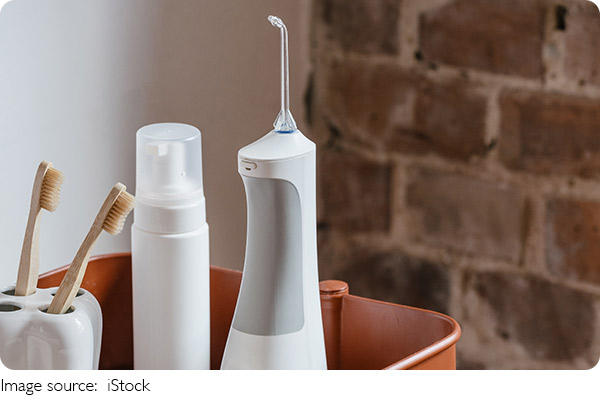
A water flosser is an electric device that directs a concentrated stream of pulsating water between teeth and around the gumline. Unlike traditional string floss, which physically scrapes plaque from tooth surfaces, a water flosser relies on water pressure to dislodge trapped debris and reduce bacterial buildup.
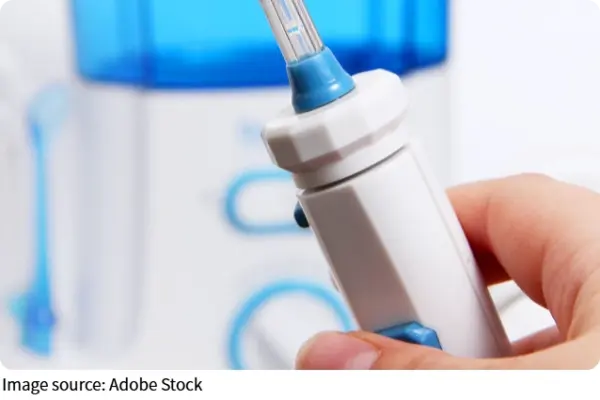
Most units include a reservoir, a motorized pump, and interchangeable tips designed for different needs. Some models offer adjustable pressure settings, allowing users to select a comfortable intensity. The concept may appear simple, yet the technology behind modern water flossers is carefully engineered. Pulsating water creates a combination of pressure and movement that can reach areas where food particles frequently become trapped.
How Does a Water Flosser Work?
The effectiveness of a water flosser comes from its ability to clean beneath the gumline and between teeth using targeted water pulses. As the stream enters these tight spaces, it helps loosen particles that may remain after brushing. The process generally takes only a few minutes. Water is directed systematically along the gumline and around each tooth. Many users find the sensation gentler than traditional flossing, especially when sensitive gums are present.
Situations Where a Water Flosser May Be Helpful
While many people can benefit from a water flosser, certain situations make the device particularly useful.
Braces and Orthodontic Appliances
Brackets and wires create numerous areas where food particles can become trapped. Cleaning these spaces with traditional floss may be challenging and time-consuming. A water flosser can help flush debris from difficult-to-reach locations, making daily maintenance easier.
Dental Bridges and Implants
Fixed restorations often contain spaces that require extra attention. Water flossers can assist with cleaning around these structures, helping maintain healthier gums and cleaner surfaces.
Sensitive Gums
Some individuals experience discomfort when using conventional floss. A water flosser may provide a gentler alternative while still supporting effective cleaning. Adjustable pressure settings allow users to begin at a lower intensity and increase gradually if desired.
Limited Hand Dexterity
Traditional flossing requires coordination and precision. For individuals who find these movements difficult, a water flosser can simplify the cleaning process and encourage more consistent hygiene habits.
Advantages Beyond Convenience
One reason water flossers continue gaining popularity is the combination of effectiveness and ease of use. Many users report that the device encourages more consistent cleaning because the process feels less cumbersome. Another advantage involves reaching areas where plaque often accumulates unnoticed. The pulsating stream can access pockets around the gumline that may otherwise receive insufficient attention.
Water flossers may also contribute to fresher breath. Food debris trapped between teeth can contribute to unpleasant odors. Removing these particles more effectively helps maintain a cleaner environment throughout the mouth.
Dr. Karim El Kholy, DDS, an associate professor at Columbia's College of Dental Medicine said: "A water flosser is a small device that jets pressured water into different areas in the mouth to help dislodge food particles between the teeth or in hard-to-reach places that string floss cannot reach."
Water flossers represent a modern approach to improving dental hygiene. By using pulsating streams of water, these devices help remove trapped particles, support gum health, and simplify cleaning in hard-to-reach areas. They can be particularly useful for individuals with braces, implants, sensitive gums, or challenges using traditional floss.
While a water flosser is not a replacement for brushing, it can become a valuable addition to a well-rounded hygiene routine. Taking a closer look at current cleaning habits may reveal whether this innovative device could provide an extra level of protection and comfort.