Lofoten Port
Mukesh Kumar
| 24-04-2026
 · Travel Team
A quiet harbor appears suddenly between steep peaks—red cabins reflecting on still water, boats gently shifting with the tide, and mountain silhouettes rising sharply into the sky. Reine Gjestehavn feels like a place where landscape and life are tightly intertwined, shaped by weather, water, and centuries of maritime tradition.
This small harbor in the Lofoten archipelago is not just a stopping point for boats—it is a living snapshot of northern coastal culture, where simplicity defines every detail.
A Harbor Framed by Mountains
Reine Gjestehavn sits at the heart of one of the most dramatic coastal environments in northern Europe. Towering granite peaks surround the harbor in a near-complete circle, creating a natural amphitheater that changes mood with shifting light.
Unveil hidden cliffs, turquoise waters, and stunning landscapes.
A crystal-clear Alpine lake framed by mountains and charming lakeside towns.
Escape to Paradise: Why This Hidden Austrian Gem is the Ultimate Fairytale Retreat!
Cape cliffs, city art, and sunrise safaris—South Africa proves adventure and calm can fit perfectly in one unforgettable trip.
Nevers blends palace terraces, painted ceramics, and river-slow days — plan easy routes and craft-filled hours in a calm French city.
This New Zealand road leads straight to the country's highest peak — and every kilometer is stunning
Morning mist often drifts between the mountains, softening their edges. By evening, long golden light stretches across the water, turning the red wooden buildings into glowing reflections.
The harbor itself is compact, yet visually expansive—every angle feels carefully composed by nature.
Reine Gjestehavn
Life Around the Dock
Despite its remote feeling, the harbor remains active throughout the year. Fishing boats, small yachts, and visiting vessels share the same calm waters, creating a steady rhythm of movement.
Walking along the docks reveals a slow-paced lifestyle shaped by the sea. Nets are coiled, equipment is stored neatly, and conversations often happen with the sound of water in the background.
Key experiences here include:
1. Watching boats return to harbor — a daily rhythm tied to the sea
2. Walking the wooden piers — close views of reflections and mountain walls
3. Observing changing light — rapid shifts in atmosphere depending on weather
Everything feels functional yet visually striking.
Surrounding Landscape and Exploration
Beyond the harbor, the Lofoten landscape opens into fjords, hiking paths, and coastal viewpoints. The terrain is rugged, shaped by glaciers and wind over long periods.
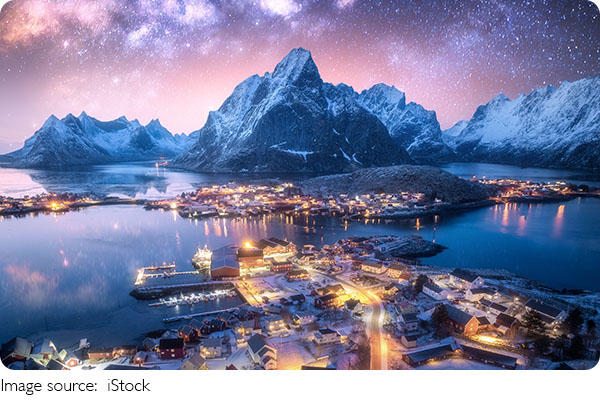
Short walks from Reine lead to elevated viewpoints where the entire harbor becomes visible—a cluster of red cabins framed by deep blue water and jagged peaks. These vantage points are especially powerful during sunrise or late evening light.
The contrast between steep mountains and calm water defines the entire region's identity.
Seasonal Atmosphere
Reine Gjestehavn changes dramatically with the seasons, each bringing a different visual and emotional tone.
• Winter: quiet, snow-covered peaks, minimal daylight, strong contrast between dark sea and white land
• Spring: melting snow feeds waterfalls that run down mountain walls
• Summer: long daylight hours, soft light reflecting across still water
• Autumn: deep colors return to the landscape, with crisp air and shifting skies
Each season reshapes how the harbor is experienced, making repeat visits feel entirely different.
Getting to Reine
Reaching Reine Gjestehavn requires a combination of transport routes, but the journey is part of its appeal.
• Nearest regional airport: Leknes, followed by road travel of about 1.5–2 hours
• Car rental: typically $70–$120 per day, recommended for flexibility
• Ferry connections: available from nearby coastal towns depending on route planning
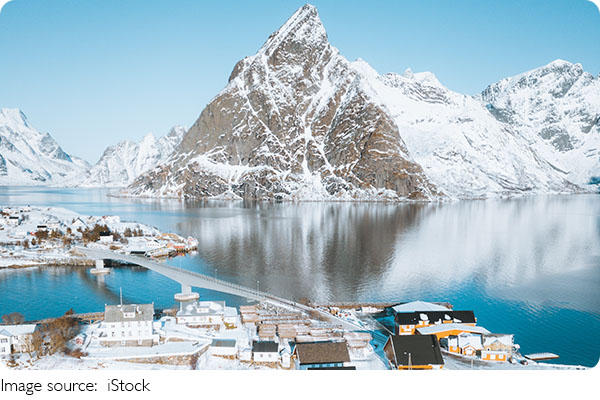
The final drive into Reine is especially striking, passing bridges, fjord edges, and mountain corridors.
Where to Stay
Accommodation around the harbor is limited but atmospheric, often blending directly into the coastal environment.
• Guesthouses and cabins: $120–$220 per night
• Waterfront rorbuer-style stays: $200–$350 per night
• Premium scenic lodges: $300–$500 per night
Many stays offer direct views of the harbor or surrounding peaks, emphasizing immersion in the landscape rather than separation from it.
A Place Defined by Silence and Water
Reine Gjestehavn is not a destination built on scale or noise. Instead, it thrives on balance—between mountain and sea, activity and stillness, structure and nature.
Standing on the dock, the sense of distance from everyday rhythm becomes immediate. Waves move slowly, mountains remain constant, and time feels stretched into something softer and more observant.
It is this quiet precision that makes the harbor unforgettable.