Majestic Kiyomizu-dera

Santosh Jha
| 14-04-2026
 · Travel Team
Nestled in the lush hills of eastern Kyoto, Kiyomizu-dera stands as a symbol of Japan's cultural and spiritual heritage.
With its stunning wooden structure, expansive views, and centuries of history, this temple draws visitors from around the world seeking a glimpse into Japan's past and a moment of tranquility.
Founded in the 8th century, Kiyomizu-dera, meaning "Pure Water Temple," has not only been a place of worship but a sanctuary for contemplation and beauty. Whether you're here to admire its architecture, connect with its spiritual atmosphere, or simply take in the breathtaking scenery, Kiyomizu-dera offers something for everyone.
Kiyomizu-dera
What to Expect: Exploring Kiyomizu-dera
A mysterious mountaintop abbey with sweeping views and centuries of history.
Explore woodland lakes and scenic Highland views on this peaceful walk
Walk through golden rice terraces and remote mountain beauty
Why everyone's obsessed with this tiny island (and you should be too).
Explore the charm, history, and beauty of Český Krumlov, a UNESCO World Heritage Site.
Looking for stunning views? These terraces might be your next dream trip!
Kiyomizu-dera is more than just a temple—it's an experience that engages the senses, from the majestic sound of cascading water to the serene ambiance that surrounds the site. The temple complex is vast, filled with various buildings, gardens, and hidden gems waiting to be discovered.
1. The Main Hall (Hondo) and the Veranda
The heart of Kiyomizu-dera is its grand Main Hall, known for its impressive stage-like veranda that juts out over the hillside. Supported by hundreds of wooden beams, this veranda offers a panoramic view of the surrounding landscape, especially beautiful during the cherry blossom season in spring and the vibrant foliage of autumn. The views, combined with the historical architecture, make this area a must-see for anyone visiting Kyoto.
2. The Otawa Waterfall
At the base of the Main Hall, the Otawa Waterfall is a central feature of Kiyomizu-dera and is where the temple gets its name. The waterfall divides into three streams, and visitors are invited to drink from one of them. Each stream is said to offer different blessings—longevity, love, and success. It's a peaceful and reflective experience, connecting visitors with the temple's natural surroundings and spiritual significance.
3. Jishu Shrine: The Shrine of Love
Located within the temple complex, the Jishu Shrine is dedicated to the deity of love and matchmaking. The shrine is particularly popular among young visitors, especially those seeking love or wishing to improve their relationships. It features the famous "love stones," where visitors try to walk from one stone to another with their eyes closed. Successfully navigating the path is said to bring good fortune in love.
Practical Information: Visiting Kiyomizu-dera
To make the most of your visit, here's some essential information:
1. Location and Transportation
Kiyomizu-dera is located in the eastern part of Kyoto, easily accessible by bus or taxi from Kyoto Station. From the station, take the number 100 or 206 bus, which will take you directly to Kiyomizu-michi bus stop, a short walk from the temple entrance. The area surrounding the temple, particularly the scenic streets of Higashiyama, also offers charming traditional shops and cafes, perfect for a stroll.
2. Opening Hours and Tickets
Kiyomizu-dera is open daily from 6:00 AM to 6:00 PM. The general admission fee is approximately $4 USD for adults, with discounts for children and seniors. Special evening illuminations are held in certain seasons (spring and autumn), where the temple is beautifully lit up, offering a completely different but equally captivating experience. The fee for the evening event is slightly higher, around $5–$6 USD.
3. Accommodation Options
There are various accommodation options around Kiyomizu-dera, including traditional ryokan inns, guesthouses, and modern hotels. For an authentic Kyoto experience, staying in a ryokan will allow you to enjoy traditional Japanese rooms, meals, and the serene ambiance of the area. Prices for ryokan stay range from $100 to $200 USD per night. If you're looking for more budget-friendly options, there are guesthouses and hotels starting at $40–$80 USD per night.
Must-See Highlights: Don't Miss These Experiences
1. The Cherry Blossoms in Spring
Kiyomizu-dera is particularly famous for its cherry blossoms in spring. The grounds surrounding the temple are dotted with hundreds of cherry trees that bloom in full splendor, creating a breathtaking scene. Visitors flock to the temple to experience "hanami," the tradition of viewing cherry blossoms, which is celebrated in Kyoto with picnics and festivities.
2. The Evening Illuminations
During certain times of the year, Kiyomizu-dera is open for evening illuminations. The temple and its surrounding trees are lit up, creating a magical and serene atmosphere. The glowing light against the ancient wooden structures and the night sky makes for an unforgettable experience, especially for those who have already visited the temple during the day.
3. Sannen-zaka and Ninen-zaka Streets
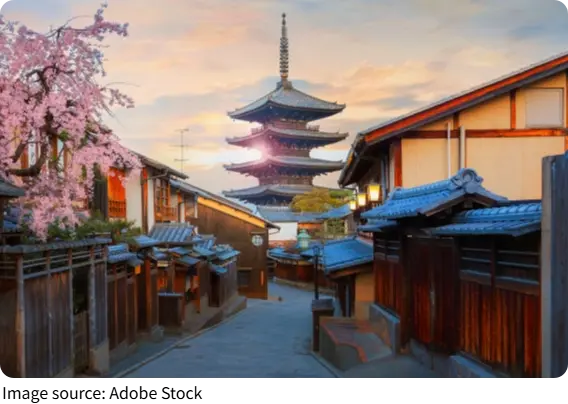
After visiting the temple, take a stroll down the historic Sannen-zaka and Ninen-zaka streets. These charming streets are lined with traditional wooden shops selling local crafts, snacks, and souvenirs. The cobblestone paths offer a nostalgic glimpse of old Kyoto and provide a perfect way to unwind after your visit to the temple.
Reflection: A Sacred Space for the Soul
Visiting Kiyomizu-dera is not just about admiring its stunning architecture and natural beauty—it's an opportunity to reflect and connect with something deeper. The temple, with its ancient history and spiritual atmosphere, offers a rare space for inner peace and contemplation.
As you walk through its halls, gaze at the views from the veranda, or listen to the sound of water flowing through the Otawa Waterfall, you are reminded of the tranquility that lies within nature and the importance of taking time for self-reflection in our busy lives.
Kiyomizu-dera is a place that invites visitors to slow down, to be present, and to appreciate the beauty of the world around them. It's a reminder that spirituality is not always about grand gestures, but about the simple moments that connect us to history, nature, and one another.