How to Make Onigiri at Home

Chandan Singh
| 23-01-2026
 · Food Team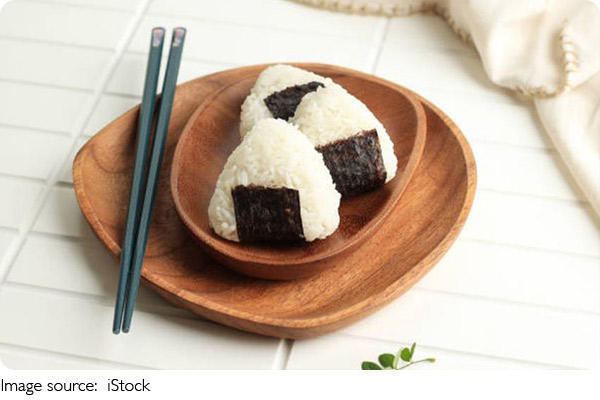
There's something incredibly satisfying about taking a bite of a perfectly formed onigiri—a Japanese rice ball that's simple, tasty, and surprisingly versatile.
Whether you've enjoyed these in a bento box, at a picnic, or as a quick snack, making your own onigiri is easier than you might think.
Let's dive into how you can make these delicious rice balls at home with just a few ingredients and a little know-how.
1. Understanding Onigiri
Onigiri is more than just a rice ball; it's a beloved Japanese snack that combines the basic comfort of rice with flavorful fillings. They're typically shaped into triangles or cylinders, wrapped in a sheet of nori (seaweed), and filled with a variety of delicious ingredients like pickled plum, tuna, or even grilled salmon. Onigiri can be eaten for breakfast, lunch, or a snack, and it's one of the most iconic convenience foods in Japan.
Quick, nutritious, and surprisingly delicious morning meals.
Discover the Secret to Soft, Fluffy Buns in Just a Few Easy Steps!
Want to know the secret behind Britain’s most beloved sponge cake?
A silky classic topped with warm fruit—one simple twist makes it unforgettable
How can a tiny sponge cake hold so much sweetness, lightness, and joy?
Discover the rich, chocolatey drink that warms both hands and heart.
Pro Tip: Onigiri is versatile! While the traditional fillings are popular, you can experiment with different options depending on your taste preferences.
2. The Best Rice for Onigiri
The key to perfect onigiri starts with the rice. For an authentic texture, you'll want to use short-grain or medium-grain rice. These types of rice are sticky, making it easier to shape the onigiri and keep the rice together. The starch in these grains also helps the rice stay moist and soft.
Pro Tip: Make sure to rinse the rice thoroughly before cooking to remove excess starch. This prevents the rice from becoming too mushy and ensures it holds its shape better.
3. Preparing the Fillings
One of the best things about onigiri is how customizable it is. You can fill the rice balls with a variety of savory ingredients. Here are a few popular filling ideas:
1. Umeboshi (Pickled Plum): This tart and salty filling adds a zing to the rice ball. It's one of the most traditional fillings and is perfect for adding a bit of sourness to balance the mild rice.
2. Tuna Mayo: A mixture of canned tuna, mayonnaise, and a bit of soy sauce creates a creamy and savory filling that's both satisfying and easy to prepare.
3. Grilled Salmon: Flaked grilled salmon mixed with a little soy sauce or salt is a popular and flavorful filling that makes the onigiri feel like a complete meal.
Pro Tip: If you're looking for a vegetarian option, you can use seasoned vegetables like pickled radishes, carrots, or even mashed avocado as fillings.
4. Cooking and Shaping the Rice
Once your rice is cooked and cooled slightly (you want it warm but not too hot to handle), it's time to shape the onigiri. Here's how:
1. Wet your hands with a little water to prevent the rice from sticking to your hands.
2. Take a handful of rice and form it into a ball or triangle shape. Press gently to make sure the rice sticks together but doesn't get too compacted.
3. Create a small indentation in the center of the rice ball and add your filling. Then, cover the filling with rice and shape it again to seal the edges.
Pro Tip: Don't overstuff the onigiri. A little filling goes a long way, and too much can cause the rice to break apart.
5. Wrapping with Nori
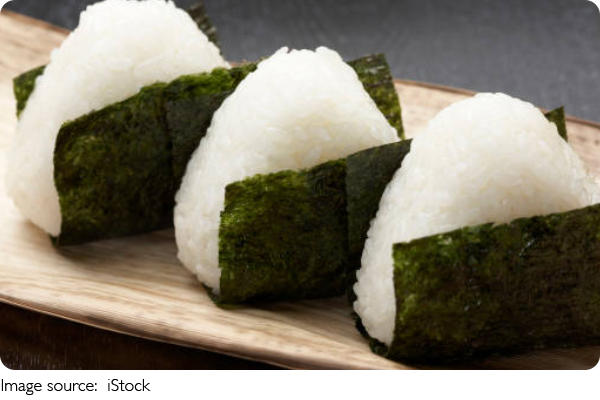
Traditionally, onigiri is wrapped with a sheet of nori (seaweed) to add flavor and make it easier to eat without getting your hands too sticky. Cut a sheet of nori into strips that are about 2 inches wide. When wrapping the rice ball, make sure the shiny side of the nori is facing out. This will help it stay crisp longer.
Pro Tip: If you're packing onigiri for later, keep the nori separate and wrap it just before eating. This prevents the nori from getting soggy.
6. Additional Toppings and Variations
While nori is the most common topping, onigiri can be customized with additional toppings or seasoning. You can sprinkle the rice with sesame seeds, furikake (a Japanese rice seasoning), or even a dash of salt for extra flavor.
1. Sesame Seeds: Sprinkling sesame seeds on top or mixing them into the rice gives onigiri a pleasant crunch and nutty flavor.
2. Furikake: This is a seasoning mix that can include seaweed, sesame seeds, dried fish flakes, and other spices, adding depth and umami to the rice.
Pro Tip: Furikake is an easy way to enhance the flavor of plain rice if you want to keep your fillings simple.
7. Storing and Serving Onigiri
Onigiri is a convenient snack to make ahead and pack for lunches or picnics. If you're storing onigiri, wrap them tightly in plastic wrap to keep them fresh. They can stay at room temperature for a few hours, but if you plan to keep them for longer, store them in the fridge. Before eating, you can heat them in the microwave for a few seconds to soften the rice and bring out the flavor.
Pro Tip: If you're making onigiri ahead of time, avoid using watery fillings like cucumber or tomato, as these can make the rice soggy.
8. Creative Onigiri Variations
Once you've mastered the basics, you can experiment with creative onigiri variations:
• Korean-style Onigiri: Add kimchi or spicy gochujang (Korean chili paste) as a filling for a bold twist.
• Sweet Onigiri: For a dessert-style onigiri, fill it with sweet red bean paste or matcha-flavored filling and sprinkle with powdered sugar.
Pro Tip: Don't be afraid to play with different fillings, shapes, and flavors to make your onigiri more exciting and personalized.
Onigiri is the ultimate portable snack that's simple to make, customizable, and packed with flavor. Whether you're enjoying it for lunch, as a snack, or as part of a picnic, onigiri brings a taste of Japanese comfort food to your table. With just a few ingredients and a little creativity, you can enjoy this classic dish any time!