3D Printing in Food Design

Owen Murphy
| 19-01-2026
 · Food Team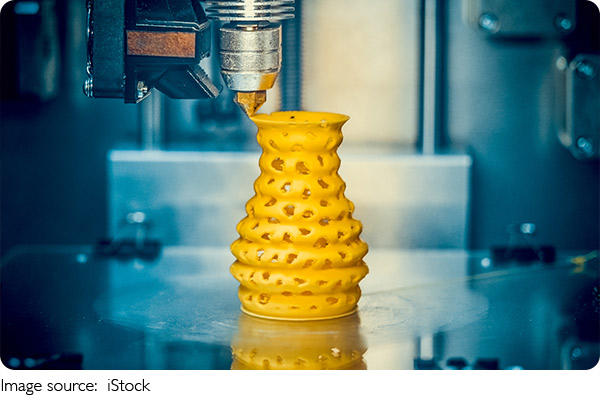
Picture a world where your meals are printed with precision, crafted layer by layer into personalized shapes and nutrients.
This is the promise of 3D food printing—an emerging innovation that blends culinary art with cutting-edge technology to create custom, sustainable, and visually stunning dishes.
It's not just a futuristic concept; it's a growing revolution in how we design, prepare, and think about the food we eat.
1. What Is 3D Printing in Food?
3D printing in food involves using a printer to create food items layer by layer, just like traditional 3D printing for other materials like plastic or metal. However, in the case of food, the “ink” is made up of edible ingredients like dough, pureed vegetables, or even chocolate. The printer precisely deposits these ingredients to form shapes, structures, and textures that would be impossible or very difficult to achieve using traditional cooking methods.
Discover which ice cream really wins in taste, texture, and convenience.
Why a daily glass can boost energy, immunity, and overall health.
Discover why these treats are loved worldwide and how to enjoy them.
Discover the secrets to a creamy, irresistible cheesecake at home.
This tiny spoonful boosts flavor, digestion, and creativity in your kitchen.
One green scoop turns plain breakfast into calm energy and color.
Why it works:
3D food printing combines the precision of technology with the creativity of culinary arts. It allows for intricate designs that aren't just visually stunning but also offer new textures and flavors that weren't possible before.
Tip: Keep an eye on 3D printed food's evolution, as it is still in its early stages but rapidly developing with the potential for customized meals.
2. Customization: Tailoring Food to Individual Needs
One of the most exciting aspects of 3D printing in food is its potential for customization. 3D printers can create foods designed specifically to meet individual dietary needs or preferences. Whether it's for people with food allergies, specific health conditions, or just a desire for more control over their diet, 3D food printing can cater to these requirements in ways that traditional cooking methods cannot.
Why it works:
By printing food from raw ingredients, it's possible to customize the exact composition of a meal. For example, someone needing a low-sodium or high-protein diet can have their meals printed with the precise nutrient content they require. 3D food printers can also create personalized shapes and textures, allowing for foods that are more appealing to those with limited dietary options or even those with difficulties chewing or swallowing.
Tip: As this technology evolves, it could provide tailored nutrition for those with chronic conditions or medical diets, offering both convenience and health benefits.
3. The Art of Food Design
Food is not just something we eat—it's something we experience. 3D printing is revolutionizing the art of food design by allowing chefs and food designers to craft intricate, edible works of art. Imagine a plate of food that looks like a delicate sculpture—this is made possible with 3D printing. It opens up endless creative possibilities for creating visually stunning dishes that engage all the senses.
Why it works:
3D printing allows chefs to design food with the exact shape, texture, and presentation they envision. From detailed, geometric patterns to sculptural forms, this technology enables culinary creativity to go far beyond traditional methods of food decoration.
Tip: If you're a foodie or aspiring chef, think of the ways you could use 3D printing to elevate your food presentation. From dinner parties to professional kitchens, 3D food printing could be your new secret tool.
4. Sustainability and Reducing Food Waste
3D printing in food also has the potential to help address some of the pressing environmental challenges in the food industry. By using precise amounts of ingredients, 3D printing minimizes waste. Traditional food preparation often results in excess ingredients or unsellable food due to inconsistent sizes and shapes, but 3D printing allows for more efficient use of resources.
Why it works:
The precise nature of 3D printing ensures that only the necessary amount of each ingredient is used, leading to reduced food waste. Additionally, 3D printers can work with plant-based and alternative proteins, providing more sustainable options for food production.
Tip: As a consumer, seek out companies or restaurants experimenting with 3D printed food that prioritize sustainability. This could be an important step in reducing food waste and supporting eco-friendly practices.
5. The Future of 3D Printed Food
The potential for 3D printing in food is vast and still largely untapped. In the near future, we could see 3D printers in home kitchens, enabling individuals to create personalized meals with the touch of a button. While 3D printed food is currently mostly found in high-end restaurants or research labs, advances in the technology are making it more accessible.
As costs come down and the technology improves, we could soon see 3D food printers become a staple in homes, schools, and even hospitals.
Why it works:
As the technology improves, 3D food printers will become more affordable and versatile, making them available for everyday use. This could lead to customized meals prepared faster and with more precision than ever before. Plus, 3D printers may open up new possibilities for creating plant-based or lab-grown foods, paving the way for sustainable food solutions.
Tip: Stay tuned for developments in this field, as it might soon be possible to order a personalized meal directly from a 3D printer in your own kitchen.
6. Overcoming Challenges
While the future of 3D food printing looks promising, there are still some challenges that need to be addressed. One of the main obstacles is the cost of 3D food printers and the ingredients needed for them. While the technology is advancing, it is still expensive, and the variety of foods that can be printed is limited.
Additionally, many people still prefer the taste and texture of traditionally prepared food, and convincing them to embrace 3D-printed meals will take time.
Why it works:
For 3D food printing to become mainstream, it will need to become more affordable and versatile. However, with the rapid pace of technological advancements, these barriers are likely to be overcome in the coming years.
Tip: If you're interested in 3D printed food, keep an eye on new product launches and technological advancements. This could soon become a regular part of your dining experience.
The Takeaway: A New Era in Food
3D printing is transforming food design in ways that were once unimaginable. Whether it's for custom nutrition, artistic presentation, sustainability, or simply making food more convenient and accessible, the future of 3D food printing holds exciting potential. As the technology advances, it may not be long before we see 3D printers in every home, allowing for personalized, sustainable meals that suit every taste and dietary need.
3D printing is more than just a trend—it's a revolution in the way we think about food. Whether you're a chef, a foodie, or someone looking to optimize their diet, this technology is worth keeping an eye on. The future of food is here, and it's being printed, layer by layer.